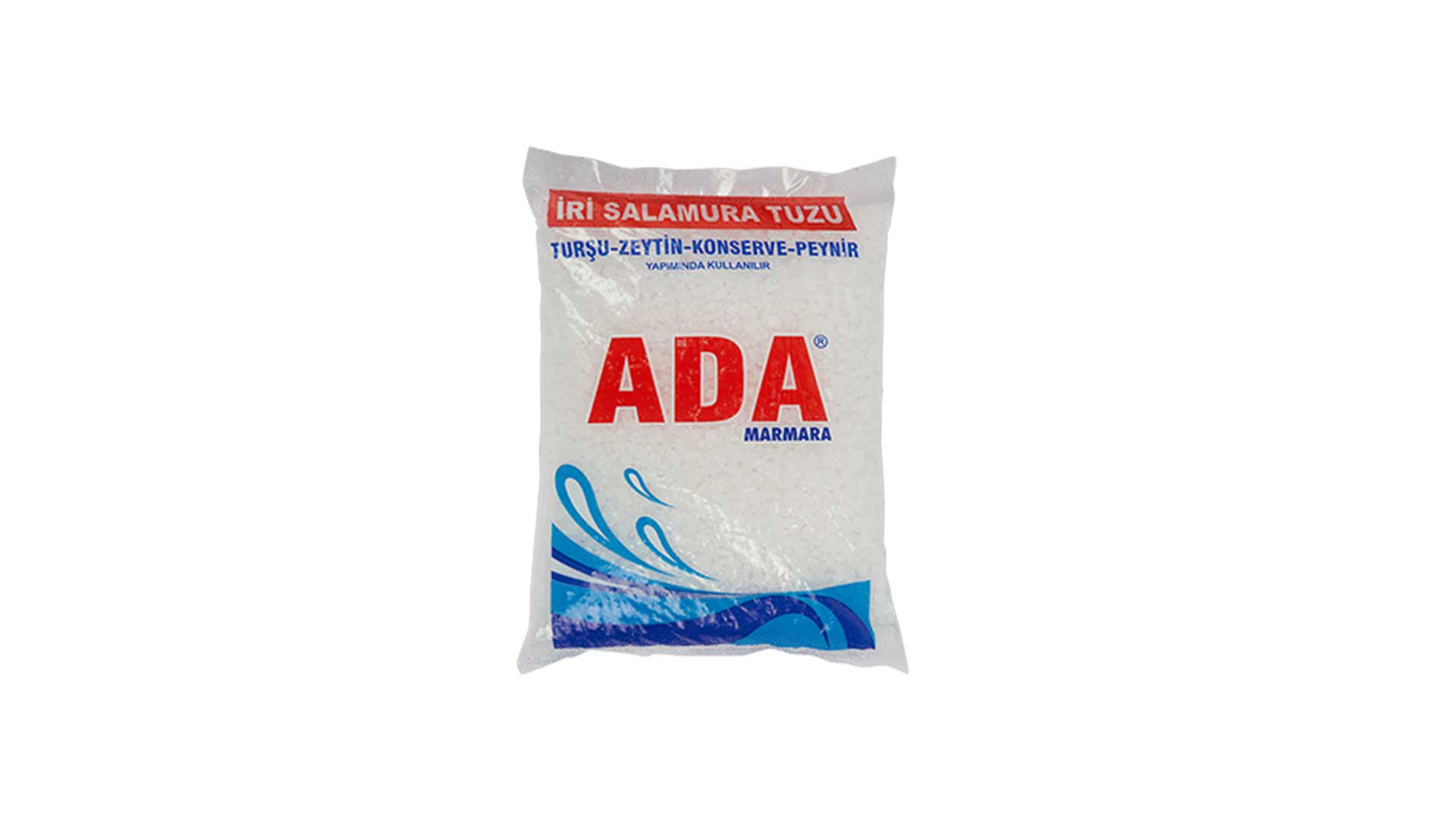
The quality of the salt used in water treatment plants directly affects system performance. Choosing the wrong product can lead to resin degradation, higher maintenance costs, system blockages, and reduced operational efficiency. For this reason, purchasing decisions should be based not only on price but also on technical specifications.
So, what questions should you ask before purchasing salt for a water treatment plant? Here are the five key questions that will help you make the right choice.
1. What Is the Salt’s Purity Level?
One of the most important factors in selecting salt for water treatment systems is its purity level. High-purity refined salt with a high NaCl content delivers better performance while producing less residue.
Low-quality salt may result in:
- Increased residue formation
- Contamination of the brine tank
- Reduced resin performance
- Higher maintenance requirements
Before purchasing, always review the product’s technical specifications. High-purity tablet or granular salt generally provides more reliable performance in professional water treatment systems.
2. What Form Is the Salt Available In?
Salt for water treatment plants is typically available in tablet or granular form. The most suitable option depends on the specific requirements of the system.
Tablet Salt
- Provides controlled dissolution
- Produces minimal residue
- Offers a longer service life
- Commonly preferred in industrial systems
Granular Salt
- Dissolves more quickly
- May be suitable for certain systems
- Can be more sensitive to storage conditions
Before purchasing, it is important to confirm which salt form is recommended for your water treatment system.
3. Can the Product Be Supplied Consistently?
Operational continuity is essential for water treatment plants. Delays in salt supply can directly affect system performance and production reliability.
When selecting a supplier, consider the following:
- Stable inventory management
- High production capacity
- Fast delivery capabilities
- Multiple packaging options
- Ability to fulfill large-volume orders
For industrial facilities, a reliable long-term supply partner offers significant operational advantages.
4. Are the Packaging Options Suitable for Your Needs?
Salt consumption varies depending on the size and capacity of the water treatment plant. Therefore, packaging options have a direct impact on operational efficiency.
Common packaging formats for professional applications include:
- 25 kg bags
- 50 kg bags
- 1,000 kg Big Bags
- Bulk loading solutions
Choosing the appropriate packaging provides:
- Easier storage
- Lower labor costs
- More efficient logistics
- Improved operational productivity
For facilities with high salt consumption, Big Bag solutions can provide considerable advantages.
5. Does the Product Meet Quality Standards?
Salt used in water treatment systems should comply with recognized quality standards. Consistent manufacturing quality is essential for both system safety and long-term performance.
High-quality products typically offer:
- Uniform particle structure
- Stable dissolution performance
- Low moisture content
- Reduced buildup inside the system
The manufacturer’s quality control procedures and production experience should also be evaluated before making a purchasing decision.
Why Is Choosing the Right Salt Important?
Salt is not simply a consumable product—it is a key component that directly influences the efficiency of a water treatment system.
Selecting the right salt helps:
- Extend resin life
- Improve energy efficiency
- Reduce maintenance costs
- Lower the risk of system failures
- Maintain long-term system performance
For this reason, purchasing decisions should always be supported by technical evaluation.
Which Salt Is Preferred for Water Treatment Plants?
Professional water treatment facilities generally prefer high-purity vacuum-refined tablet salt because it provides:
- Balanced dissolution
- Minimal residue formation
- Stable brine production
- Long-lasting performance
In large-scale systems, using high-quality tablet salt can significantly reduce operating costs.
Conclusion
When purchasing salt for a water treatment plant, focusing solely on price can lead to significant long-term costs. Product purity, salt form, quality standards, supply reliability, and packaging options should all be carefully evaluated.
Choosing the right salt helps maintain system performance, reduce maintenance costs, and improve operational efficiency. Working with a reliable manufacturer is especially important for professional and industrial applications.
Frequently Asked Questions
What type of salt is used in water treatment plants?
High-purity tablet or granular salt is generally preferred for professional water treatment systems.
Is tablet salt better than granular salt?
It depends on the specific system. However, tablet salt often provides more stable performance in large-scale industrial applications.
Why is salt purity important?
Higher purity results in less residue formation and improved system efficiency.
What are the advantages of Big Bag salt packaging?
Big Bags simplify storage, handling, and logistics for facilities with high salt consumption.
What problems can low-quality salt cause?
It may lead to residue buildup, resin degradation, increased maintenance costs, and reduced system performance.
Professional Water Treatment Salt Solutions from Marmara Tuz
Marmara Tuz supplies high-purity water softener salts for industrial water treatment applications. With both tablet and granular salt options, the company provides reliable solutions tailored to different system requirements.
For detailed product information and professional support, contact Marmara Tuz.
export@marmaratuz.com