

Strengthening a Brand in International Markets with High-Quality Salt Products
Introduction
Salt is a fundamental input across many industries, from food production and chemical manufacturing to agriculture and infrastructure projects.
For this reason, quality, consistency, and compliance with standards in salt production are critical not only in local markets but also in international trade.
Brands that offer high-quality salt products gain a competitive advantage globally while creating opportunities for long-term business partnerships.
The foundation of becoming a strong brand in international markets lies in consistent production, technical capability, logistics competence, and a reliable supply approach.
Companies that combine these elements do not simply sell products; they create sustainable commercial value.
Why High-Quality Salt Products Matter
In the salt industry, quality is not limited to purity alone. Granule structure, dissolution performance, additive balance, and suitability for specific applications are also key criteria.
1. Purity and Compliance with Standards
High-quality salt products are manufactured according to defined technical standards. Purity levels are especially critical in food and industrial applications.
Consistent NaCl ratios, controlled production processes, and regular quality testing increase a brand’s reliability in international markets.
2. Granule Consistency and Performance
In sectors such as industry, water treatment, pool systems, and road safety, granule structure directly affects performance.
Controlled dissolution of tablet salt, homogeneous distribution of road salt, and stable solubility of pool salt contribute to operational efficiency.
3. Sector-Specific Product Variety
A brand that strengthens its position internationally must be capable of developing products tailored to different sectors:
- Table and food salts
- Food industry salts
- Water softening and tablet salts
- Feed salts
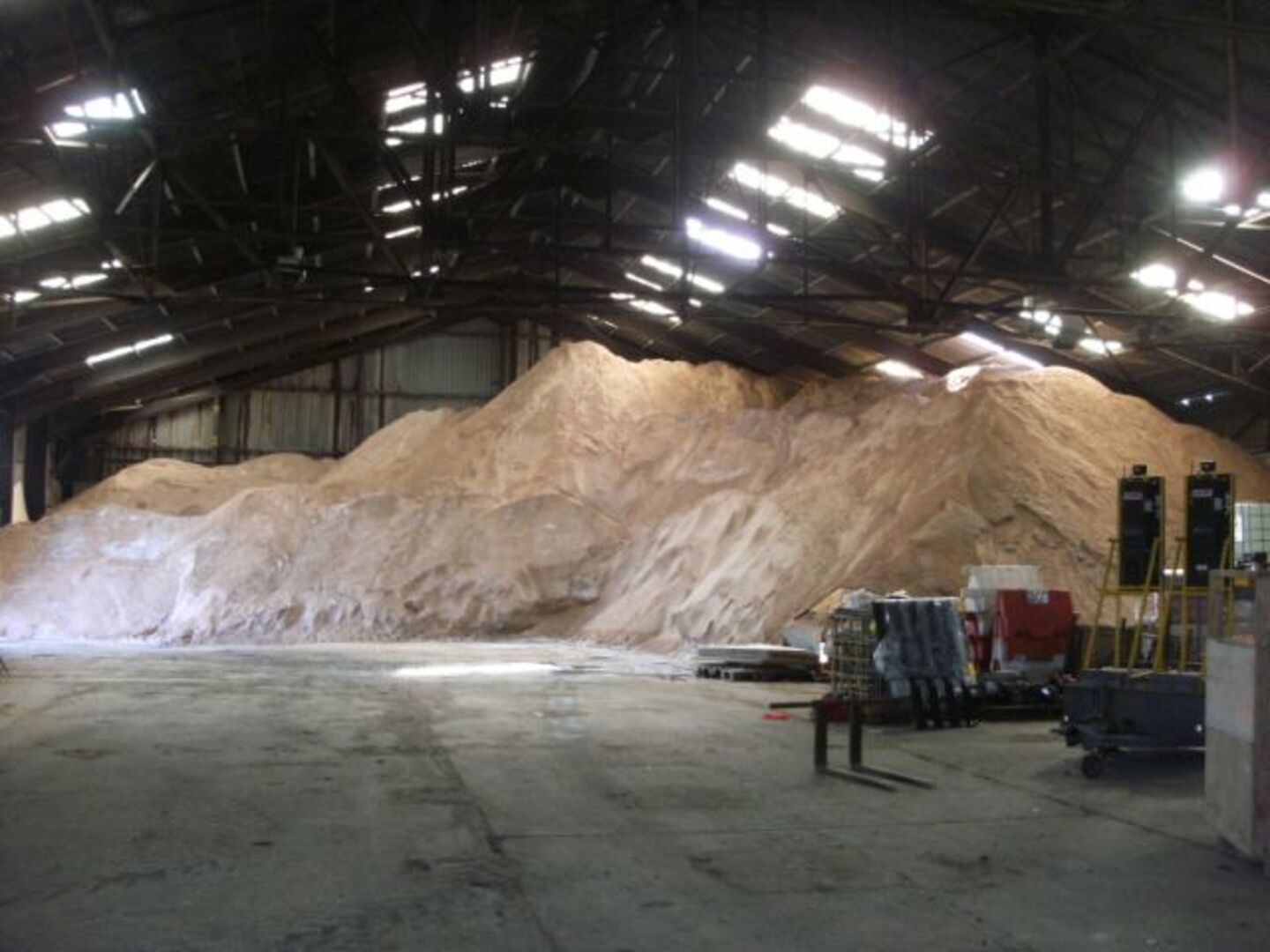
- De-icing road salts
- Pool and spa salts
- Premium mineral and gourmet salts
This diversity enables easier market entry and helps distribute commercial risk.
Core Dynamics of Strengthening in International Markets
Producing high-quality salt alone is not sufficient. A strong operational and strategic infrastructure is also required to achieve a solid position in global markets.
Planned and Sustainable Production
For international customers, consistent supply reliability is essential. As order volumes grow, production capacity must maintain the same quality standards.
Planned production models, stock management, and capacity planning play a decisive role here.
Logistics and Shipment Capability
Success in export markets is closely linked to logistics organization as much as production.
High-volume loading capacity, flexibility with different delivery models, and on-time shipments increase brand reliability.
Packaging solutions are also important in international trade:
- 25 kg bags
- Big bag options
- Private label or market-specific packaging solutions
Maintaining granule structure and preventing quality loss during transportation is critical for long-term business relationships.
Market-Specific Product and Packaging Adaptation
Each country has different technical requirements, regulations, and usage habits.
Brands that grow internationally analyze these differences and position their product range accordingly.
Flexible production structures and customizable packaging options form the foundation of global expansion.
Reliability and Long-Term Partnerships
In international trade, trust is as important as price.
Brands offering high-quality salt products establish long-term partnerships through transparent communication and planned shipment processes.
Distributor and Dealership Models
Global growth is often supported by local distributor networks.
Long-term distribution agreements help brands maintain a permanent presence in different markets.
Regular shipments and consistent production form the backbone of this model.
Project-Based and High-Volume Orders
Infrastructure projects, public tenders, or large-scale industrial facilities require high-volume salt supply.
Operational flexibility and fast loading capacity become key differentiators in such projects.
Elements That Strengthen Brand Power
A brand that grows internationally with high-quality salt products typically demonstrates the following characteristics:
- Consistent quality standards
- Multi-sector product portfolio
- High production and loading capacity
- Transparent and planned supply process
- Long-term partnership approach
- Operational flexibility
When combined, these elements position the company not just as a manufacturer but as a reliable solution partner.
Sustainable Growth in Global Competition
Long-term success in international markets requires a sustainable growth strategy based on three core pillars:
- Standardizing quality
- Increasing operational efficiency
- Strengthening business partnerships
Brands that deliver the same quality with every order build trust — and trust is the strongest reference in export markets.
Conclusion
Becoming a strong brand in international markets through high-quality salt products is possible through the integration of production discipline,
quality control, logistics organization, and strategic partnerships.
For companies aiming to gain a competitive advantage globally, quality is not merely a standard but the foundation of long-term growth.
With a sustainable production approach, planned shipment models, and sector-specific product diversity,
strong brands can move beyond local boundaries and secure a lasting position in international markets.
Frequently Asked Questions (FAQ)
1. In which sectors are high-quality salt products used?
They are widely used in food production, industry, water treatment, agriculture, infrastructure, pool systems, and healthcare applications.
2. Why is quality so important in international markets?
Consistent quality is essential for reliable supply and long-term business relationships.
Brand reputation in global markets is directly linked to quality.
3. How is quality maintained in large-volume orders?
Through planned production, multi-stage quality control, and standardized process management.
4. Why are packaging options important in export markets?
Proper packaging ensures product integrity during transportation and compliance with market-specific requirements.
5. What is the most important factor for strengthening in international markets?
The combination of quality, consistency, and a reliable partnership approach.


