

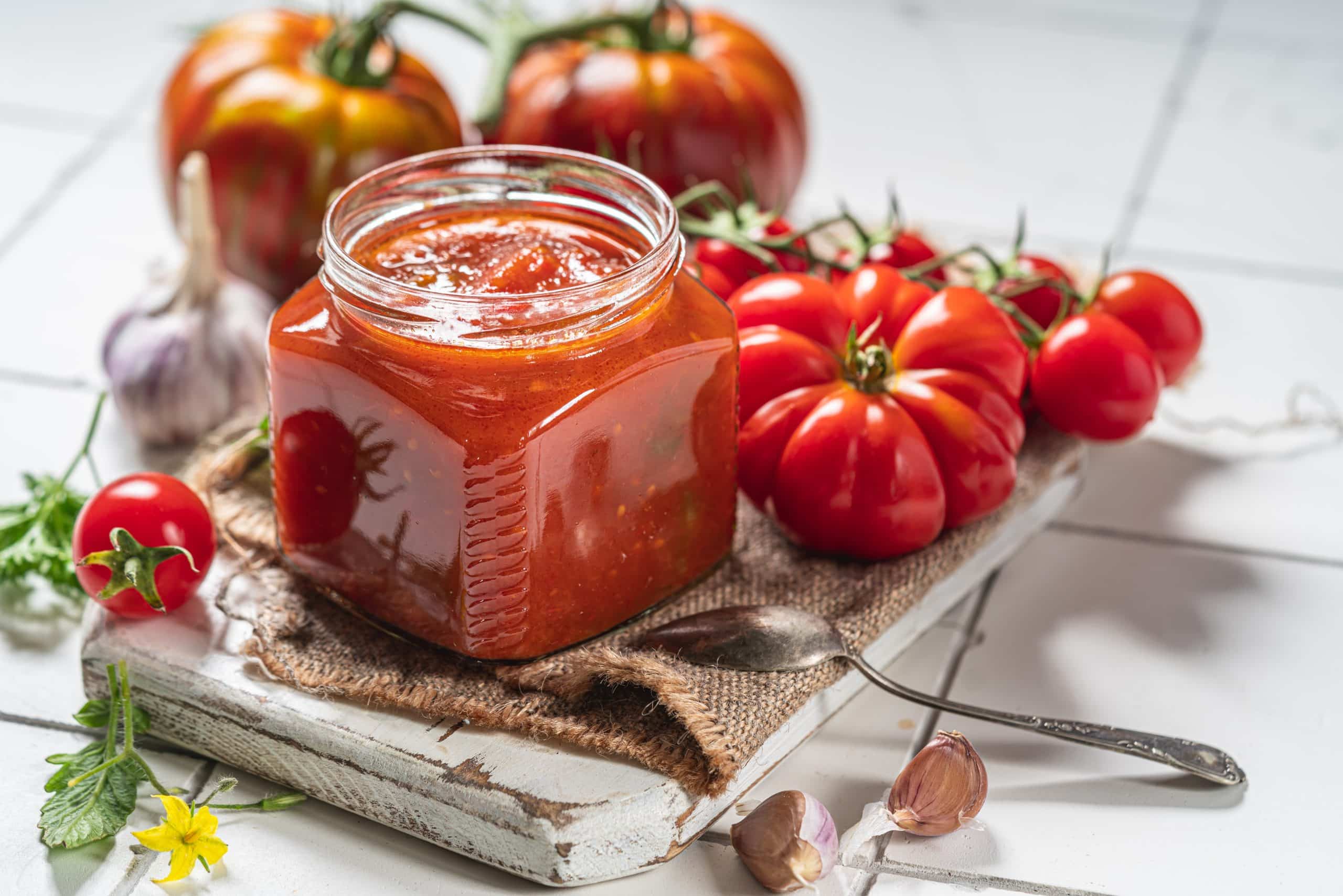
Introduction: The Strategic Role of Salt in Food Production
In tomato-based products such as ketchup and tomato paste, salt should not be viewed merely as a flavoring ingredient. It is a critical input that directly affects product safety, physical structure, and shelf life at every stage of production. The characteristics of the salt used influence many parameters, from the final flavor profile to visual quality. Therefore, salt selection in ketchup and tomato paste production is not just a technical choice — it is a strategic manufacturing decision.
Purposes of Using Salt in Ketchup and Tomato Paste
One of the primary functions of salt in ketchup and tomato paste production is to balance flavor. Tomatoes are naturally high in acidity. Salt softens this acidity, creating a more balanced taste profile and improving consumer acceptance. Proper salt levels prevent the product from tasting either overly sharp or bland.
Beyond flavor, salt plays a critical role in microbial control. By lowering water activity, it slows the growth of microorganisms. This reduces spoilage rates and contributes to food safety. When combined with pasteurization, salt becomes a supportive factor in extending shelf life.
Another key function of salt relates to product texture and structural integrity. Interactions between pectin and proteins determine the viscosity and homogeneity of ketchup and tomato paste. Salt stabilizes these interactions, helping maintain the desired consistency. It also limits oxidation, supporting the preservation of the bright red color characteristic of tomato products
Stages Where Salt Is Used in the Production Process
In tomato paste production, salt may be added either before or after concentration. Complete dissolution is critical at this stage. Undissolved or clumped salt can cause homogeneity issues in the final product.
In ketchup production, salt is added during the homogeneous mixing stage alongside water, sugar, vinegar, and spices. It must dissolve quickly and clearly. Otherwise, uneven flavor distribution and physical defects may occur. For this reason, the dissolution performance of salt is a key quality criterion in ketchup and tomato paste manufacturing.
Characteristics of Suitable Salt for Ketchup and Tomato Paste Production
Salt used in this sector must comply with food codex standards. Ketchup and tomato paste production requires high solubility and a neutral taste. Therefore, refined vacuum salt is preferred. It must be iodine-free to preserve flavor and color integrity.
Additionally, calcium and magnesium levels must be low. High mineral content can cause precipitation and texture defects. Fast-dissolving, clear-structure salt ensures homogeneity and prevents turbidity in the product.
Iodized, moist, clumping salts or salts with high iron content are not suitable for ketchup and tomato paste production. These types of salt cause flavor defects, color darkening, and overall quality loss.
Effects of Salt Quality on the Final Product
Low-quality salt may cause turbidity and sediment formation in the product. This typically results from low purity or excessive calcium and magnesium content. Iodine or heavy metals can create metallic off-flavors. High iron content leads to color darkening, negatively affecting visual appeal.
If salt does not dissolve uniformly, inconsistent flavor distribution occurs. Such quality issues directly impact consumer satisfaction and brand reliability
Conclusion: Salt Is a Quality Determinant in Ketchup and Tomato Paste Production
Salt simultaneously influences taste, safety, structure, and color in ketchup and tomato paste production. Iodine-free composition, high purity, and fast solubility are the most critical selection criteria. Using the wrong salt can create production issues that are difficult to correct. Therefore, proper salt selection is an essential part of sustainable, high-quality manufacturing.
Frequently Asked Questions (FAQ)
Is salt used only for flavor in ketchup and tomato paste?
No. Salt contributes to flavor, microbial control, texture, color stability, and shelf life.
Why is iodized salt not preferred?
It causes flavor and color defects.
Why is salt solubility important?
Clumping and heterogeneity reduce product quality.
What happens if salt contains high iron levels?
It causes color darkening in the product.
Secure Your Production with the Right Salt in Food Manufacturing
For iodine-free, high-purity salt solutions suitable for ketchup and tomato paste production, you can review Marmara Tuz products. Support quality in your food production processes with the right salt.
Contact:
export@marmaratuz.com


