

The Determining Role of Salt in Fermentation and Shelf Life in the Olive Industry

Why Is Salt a Core Raw Material in Olive Production? In the olive industry, salt (NaCl) is not considered merely a flavoring additive. It is the primary raw material that governs fermentation, removes natural bitterness, preserves product texture, and determines shelf life. The amount, quality, and application method of salt directly affect food safety and […]
The Impact of Salt on Process Efficiency and Product Quality in Sesame Processing

Introduction: The Strategic Role of Salt in the Sesame Industry In the sesame sector, salt (NaCl) is not used merely as a flavoring ingredient. It is a strategic process input that directly influences hulling efficiency, roasting quality, color control, texture, and shelf life. Particularly in the pre-processing stages, salt is one of the primary factors […]
The Impact of Salt on Process Efficiency and Product Quality in Soap Manufacturing

Introduction: The Critical Role of Salt in Soap Production In soap manufacturing, salt (sodium chloride – NaCl) is not merely an auxiliary ingredient; it is a critical raw material that directs the chemical process and directly affects product quality. Salt actively influences many stages, from soap separation and hardness to foam behavior and production speed. […]
The Impact of Salt on Texture, Aroma, and Food Safety in the Cheese Industry

Introduction: The Key Role of Salt in Cheese Production In the cheese industry, salt (NaCl) is not evaluated merely as an ingredient that adds taste. Salt is a key raw material that directly determines the durability, texture, aroma, and food safety of cheese. When proper salting is not applied during production, shelf life shortens, texture […]
The Impact of Salt on Food Safety and Structural Quality in Meat Processing

Introduction: The Fundamental Role of Salt in the Meat Industry In the meat products sector, salt (NaCl) is not merely considered an ingredient that adds flavor to the product. It is a critical process input that directly affects food safety, product texture, binding ability, water retention capacity, and shelf life. The processability of meat and […]
The Effect of Salt on Color Fixation and Dyeing Quality in Textile Dyeing

Introduction: Why Is Salt Indispensable in Textile Dyeing? In textile dyeing, salt (sodium chloride – NaCl) is not considered merely an auxiliary chemical, but one of the main inputs of the dyeing process. Especially in the dyeing of cellulosic fibers such as cotton and viscose, effective dyeing is not possible without salt. The primary function […]
The Effect of Salt on Process Efficiency and Surface Quality in the Metallurgy Industry

Introduction: Why Is Salt a Critical Input in Metallurgy? In the metallurgy industry, salt may not be a direct component of the alloy itself, but it is a critical auxiliary input that determines process efficiency, surface quality, and cost structure. In the processes where it is used, salt directly affects heat transfer, oxidation control, surface […]
The Impact of Salt on Product Quality and Standards in the Nut Industry

Introduction: The Fundamental Role of Salt in Nut Production In the nut industry, salt (NaCl) is not merely a simple flavoring ingredient. It is a core input that directly affects coating quality, roasting performance, shelf life, and product standardization. Beyond delivering the clear salt taste expected by consumers, salt’s ability to adhere to the surface […]
The Importance of Salt in the Chemical Industry and Its Strategic Role in the Chlor-Alkali Process

Introduction: Why Is Salt a “Primary Raw Material” in the Chemical Industry? In the chemical industry, salt (sodium chloride – NaCl) is not regarded as an auxiliary material. Salt is the starting point of many chemical processes and holds the status of a primary raw material. Therefore, its use is not limited to a single […]
The Impact of Salt on Product Quality in Ketchup and Tomato Paste Production
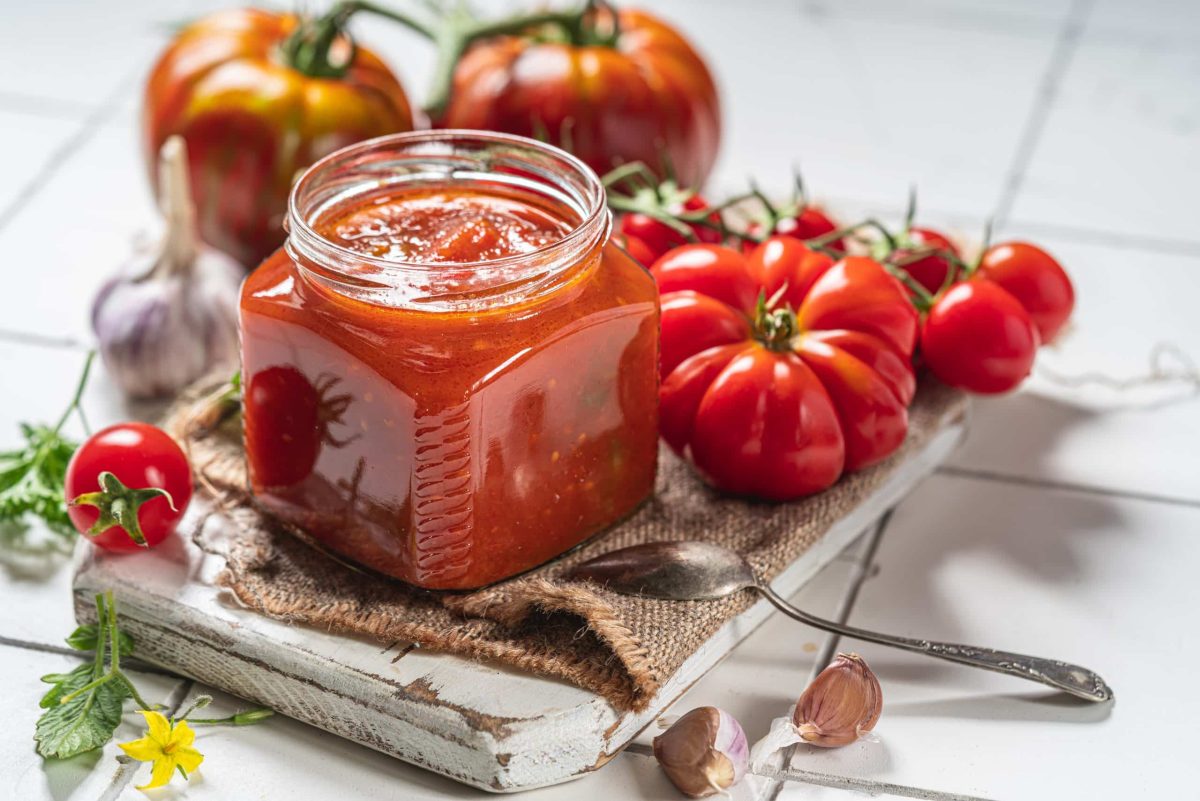
Introduction: The Strategic Role of Salt in Food Production In tomato-based products such as ketchup and tomato paste, salt should not be viewed merely as a flavoring ingredient. It is a critical input that directly affects product safety, physical structure, and shelf life at every stage of production. The characteristics of the salt used influence […]